Antibiotics
Drugs, many first made by moulds and soil bacteria, that kill bacteria or stop them growing without harming our own cells.
An antibiotic kills bacteria or stops them multiplying while doing little harm to the patient. That selectivity comes from targeting things bacteria have and human cells do not. Penicillin and its relatives block the building of the bacterial cell wall, which is made of a material called peptidoglycan that human cells never make; without it, growing bacteria burst. Tetracycline works differently, binding to the bacteria's protein-making machinery, the ribosome, so they stop growing.
Many antibiotics come from nature. Microbes compete for space and food, and some, especially moulds and soil bacteria of the genus Streptomyces, make chemicals that keep rivals away. In 1928 Alexander Fleming noticed that a Penicillium mould on one of his culture plates had cleared a zone around itself where bacteria could not grow. Turning that into a medicine took until the 1940s. One breakthrough was a far more productive strain of the mould, cultured from a mouldy cantaloupe melon found in a market in Peoria, Illinois. By the end of 1943 there was enough penicillin to treat all the Allied armed forces.
Antibiotics do not work against viruses, such as those causing colds and flu, which have no cell walls or ribosomes of their own.
Bacteria evolve. Each course of antibiotics favours any bacteria that happen to survive it, which is how resistance spreads, and why antibiotics should be used only when needed and taken as prescribed.
See it in action
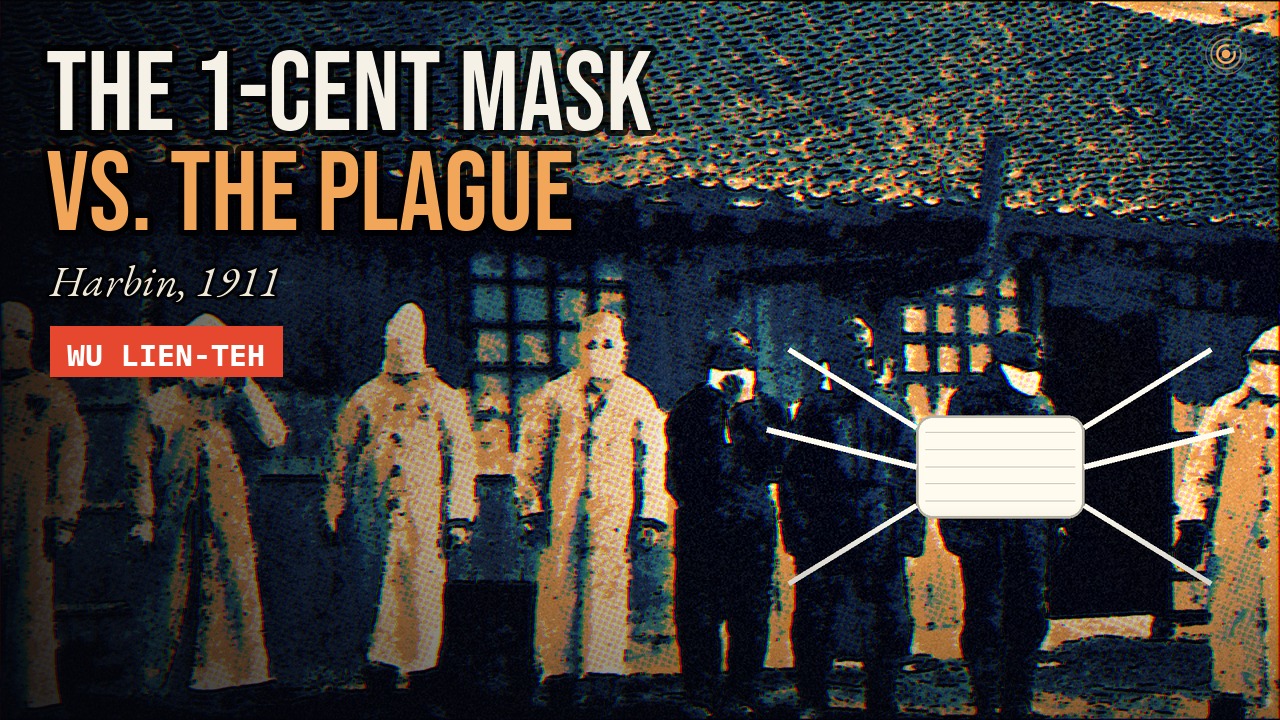
Coming up in future stories
- Ancient Nubians Brewed Antibiotic Beer AD 350–550 · Nubia, Sudan
- The Antibiotic an AI Found and Named After HAL 20 Feb 2020 · MIT and the Broad Institute, Cambridge, Massachusetts
- The Moldy Melon That Saved Millions 1943 · Peoria, Illinois
- The Mould That Became the Heart Drug of Millions 1971-1976 · Sankyo, Tokyo
- The Virus That Eats Bacteria Became a Medicine 1917–1923 · Pasteur Institute, Paris, and Tbilisi, Georgia