Dissociative amnesia
Memory loss caused by severe stress or trauma rather than an injury or illness of the brain; its rare form with sudden travel is called a fugue.
Dissociative amnesia is a gap in memory that is caused by severe stress or trauma, not by a blow to the head, a stroke or a drug. What goes missing is usually personal information: who you are, where you went, what happened to you.
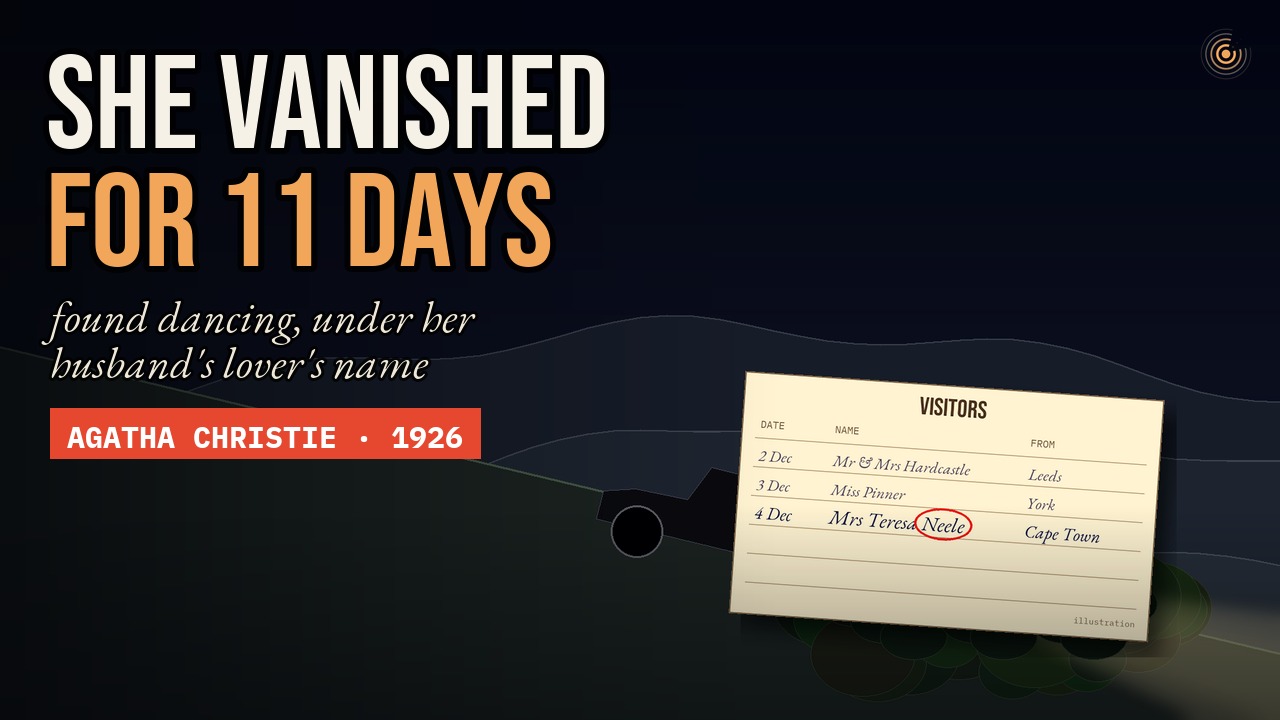
Its rarest and most dramatic form is a dissociative fugue. A person under great strain travels away from home, sometimes far away, and loses their sense of who they are, occasionally taking on a new name. A fugue can last from hours to months. Skills such as driving, reading or dancing, and general knowledge, usually stay intact, because they are stored differently from the story of one's own life.
Doctors cannot measure it with a scan or a blood test, so diagnosis depends on careful history-taking and ruling out other causes. Most people recover their memories, sometimes suddenly once they leave the stressful situation.
A common misconception is that people with this condition are faking. Some cases are hard to judge, but the condition itself is recognised in the medical manuals; deciding whether one historical case fits it is a different question.