Eddington limit
The greatest brightness, and roughly the fastest feeding rate, at which the push of light from infalling gas balances gravity's pull.
The Eddington limit is a speed limit on how fast a black hole (or a star) can shine and grow. Gas falling towards a black hole heats up and glows. That light pushes outwards on the gas, mainly by bouncing off its electrons. Feed the black hole faster and it shines brighter, until the outward push of light equals the inward pull of gravity: then extra gas is blown away instead of swallowed.
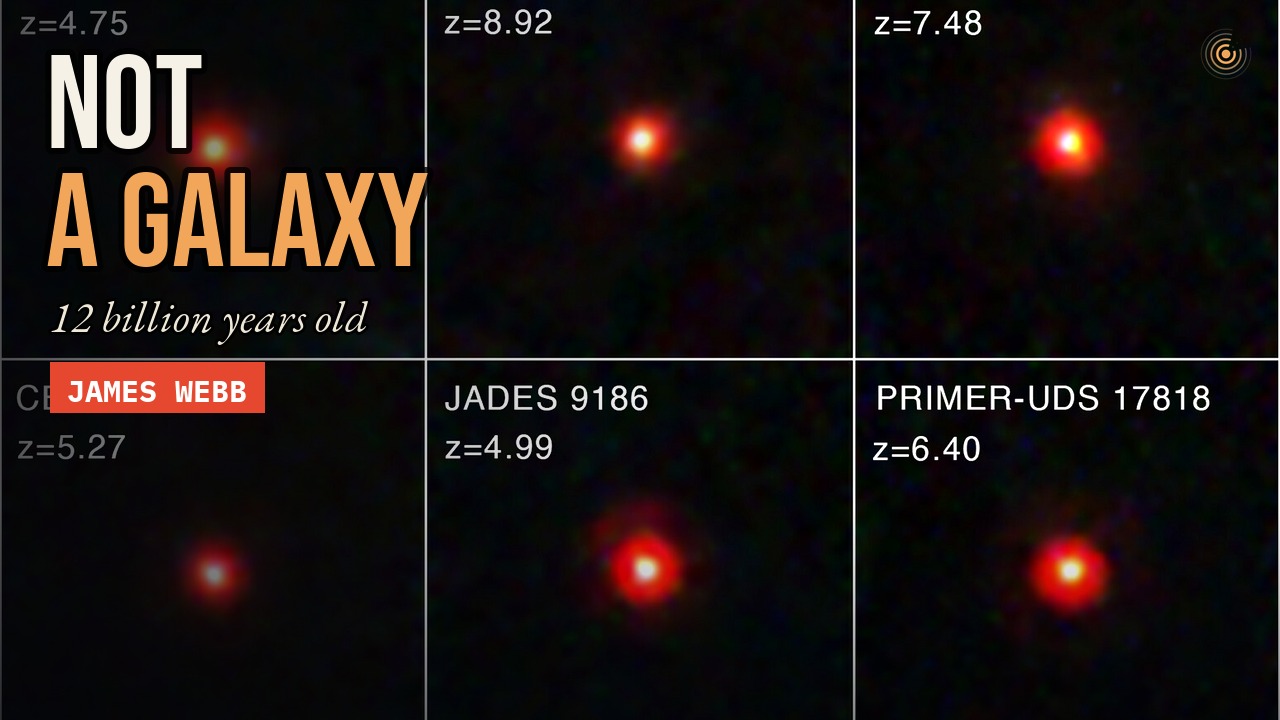
Growing steadily at this limit, a black hole multiplies its mass by about 2.7 every 50 million years or so (for typical assumptions). That sounds fast, but it explains why the giant black holes seen less than a billion years after the Big Bang are a puzzle: starting from the remnant of a single star, there was barely enough time.
A common misconception is that the limit can never be broken. Black holes can briefly feed faster, especially inside dense gas, but they cannot keep it up for long.