Electromagnetic spectrum
The full family of light-like waves, from radio waves to gamma rays; visible light is only a narrow slice in the middle.
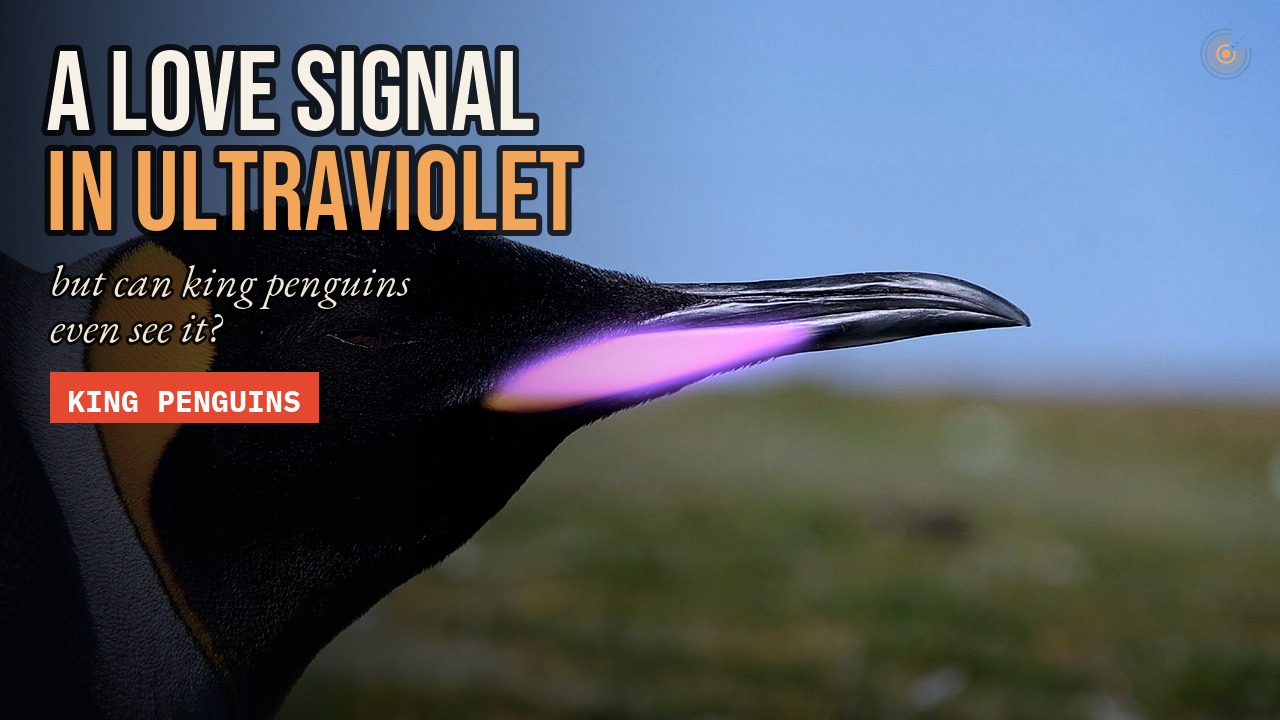
Visible light is one member of a much larger family of waves: electric and magnetic fields vibrating together and travelling at the speed of light. The electromagnetic spectrum arranges them by wavelength. From longest to shortest they are radio waves, microwaves, infrared, visible light, ultraviolet, X-rays and gamma rays. Shorter wavelengths carry more energy, which is why ultraviolet can cause sunburn and X-rays can pass through flesh.
The part we can see is tiny, running from about 400 nanometres (violet) to about 750 nanometres (red). Everything else is invisible to us, yet just as real. Infrared, just beyond red, is the warmth you feel from a fire or a sunny wall, and what a TV remote control uses. William Herschel discovered it in 1800 when thermometers placed beyond the red end of a spectrum of sunlight still warmed up.
Different bands suit different jobs. Microwaves pass through cloud, smoke and rain, so they are used for satellite links and weather radar. Earth's atmosphere blocks most ultraviolet, X-rays and gamma rays, so astronomers observe those from satellites.
A common misconception is that radio waves and light are different kinds of thing. They are the same phenomenon at different wavelengths, as are hospital X-rays.
See it in action
Coming up in future stories
- Corals Glow With the Floods of Centuries Past 1985 · Great Barrier Reef, Australia
- Singapore Toasted Its Future With Recycled Sewage 9 Aug 2002 · National Day Parade, Singapore
- The Invisible Colour Past Red 1800 · Slough, England