Speed of light
Light travels at 299,792 kilometres per second, so we always see distant things as they were when the light left them.
Light is fast but not infinitely fast. In empty space it travels at 299,792.458 kilometres per second, a value now fixed by definition, and nothing carrying information can go faster. Because light takes time to cross distances, everything we see is slightly in the past: the light travel time is simply the distance divided by the speed of light.
Over everyday distances the delay is far too small to notice, but in space it adds up. Sunlight takes about 8 minutes 19 seconds to reach Earth, so if the Sun vanished we would not know for over eight minutes. Radio signals to spacecraft at the outer planets take hours. A light-year is a distance, not a time: how far light travels in a year.
The first evidence that light has a finite speed came in 1676. The Danish astronomer Ole Rømer noticed that eclipses of Jupiter's moon Io, as it passed into Jupiter's shadow, came earlier than predicted when Earth was nearer Jupiter and later when it was farther away. He realised the difference was the time light took to cross the extra distance, about 22 minutes for the width of Earth's orbit by his estimate. The true figure is under 17 minutes, but the principle was right.
A common misconception is that a light-year measures time. It is a measure of distance.
See it in action
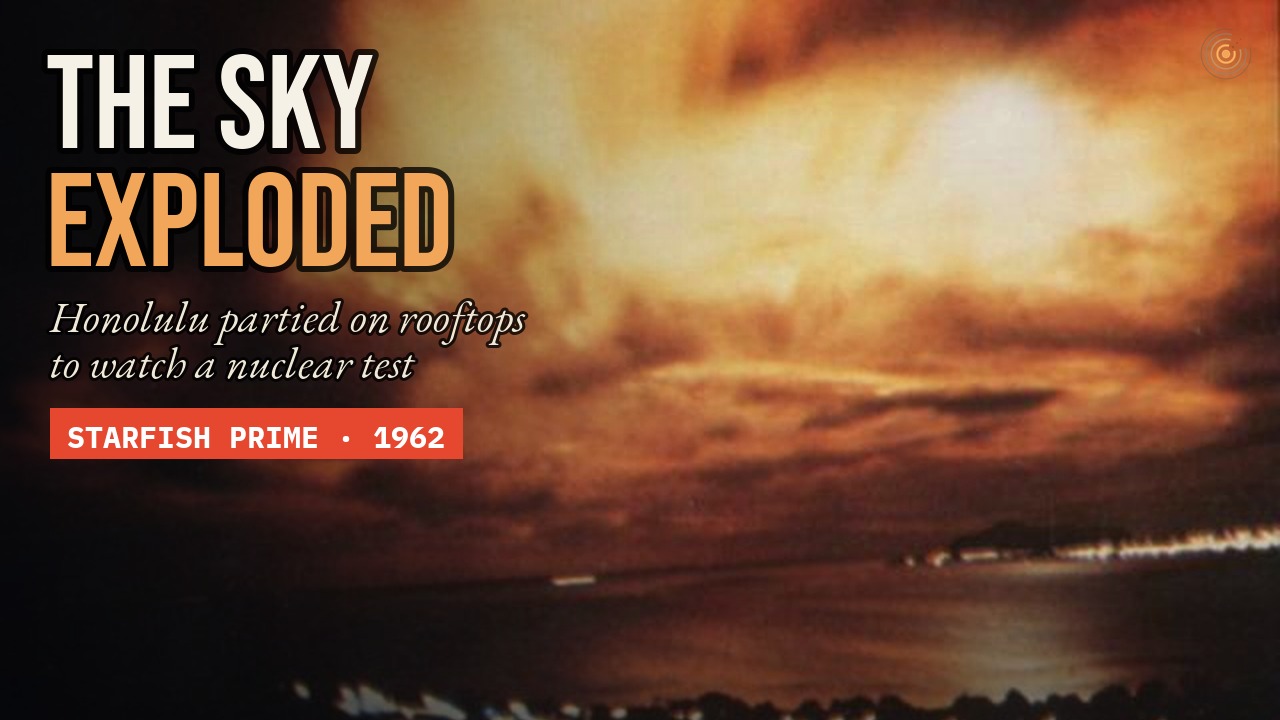 Watch nowThe Night America Nuked the Sky8 Jul 1962, 11 pm Honolulu time · 400 km above Johnston Island
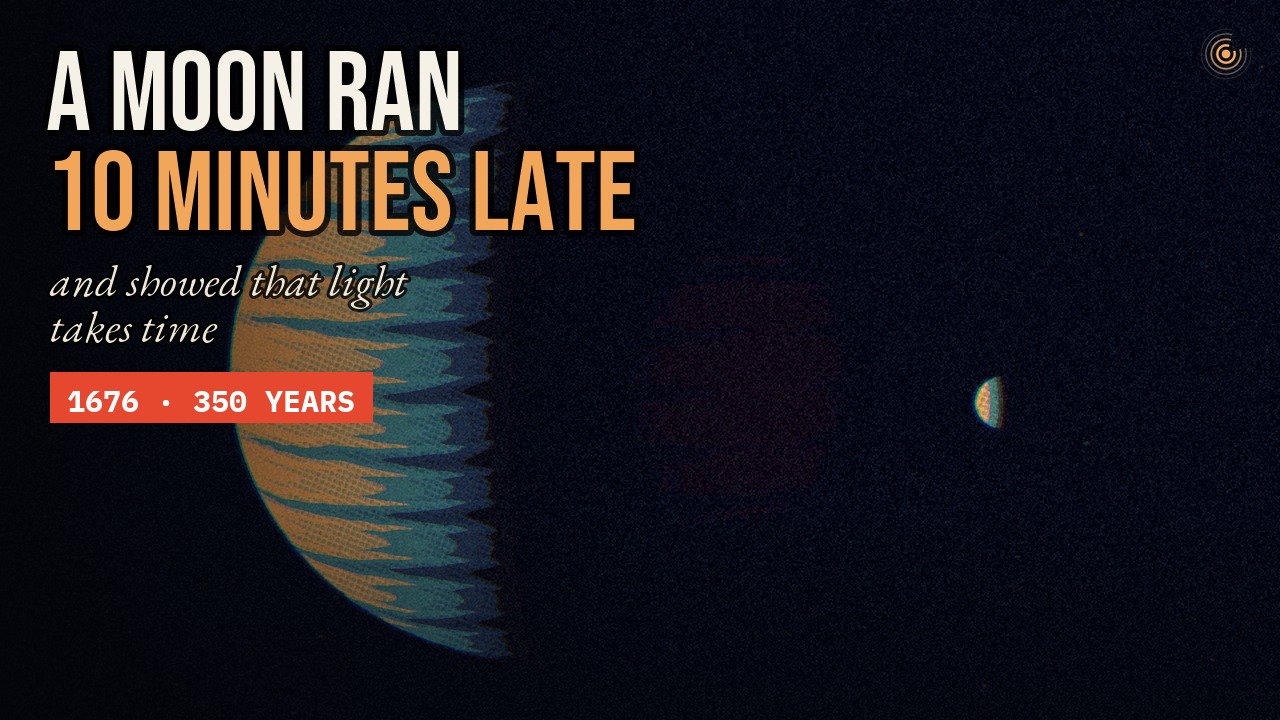 Premieres 20 NovA Moon of Jupiter Clocked the Speed of Light1676 · Paris Observatory
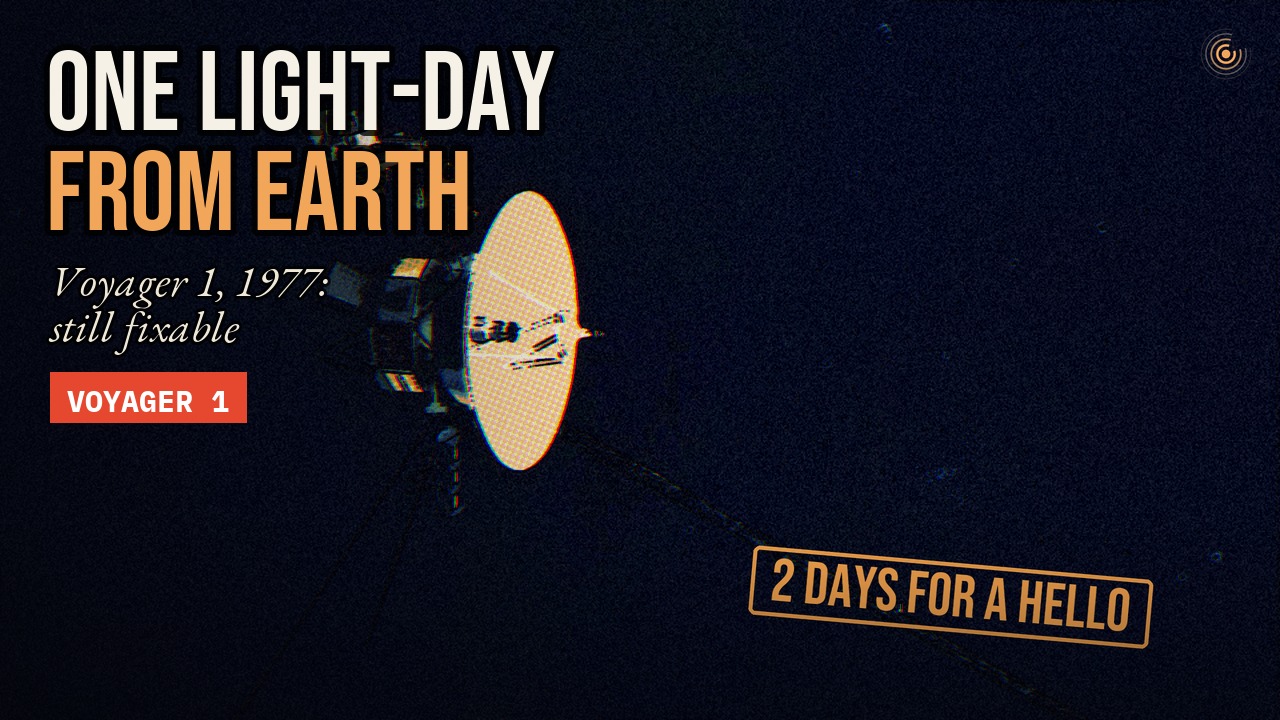 Coming soonFixing a 1977 Computer One Light-Day AwayNov 2023 – Apr 2024 · Voyager 1, interstellar space
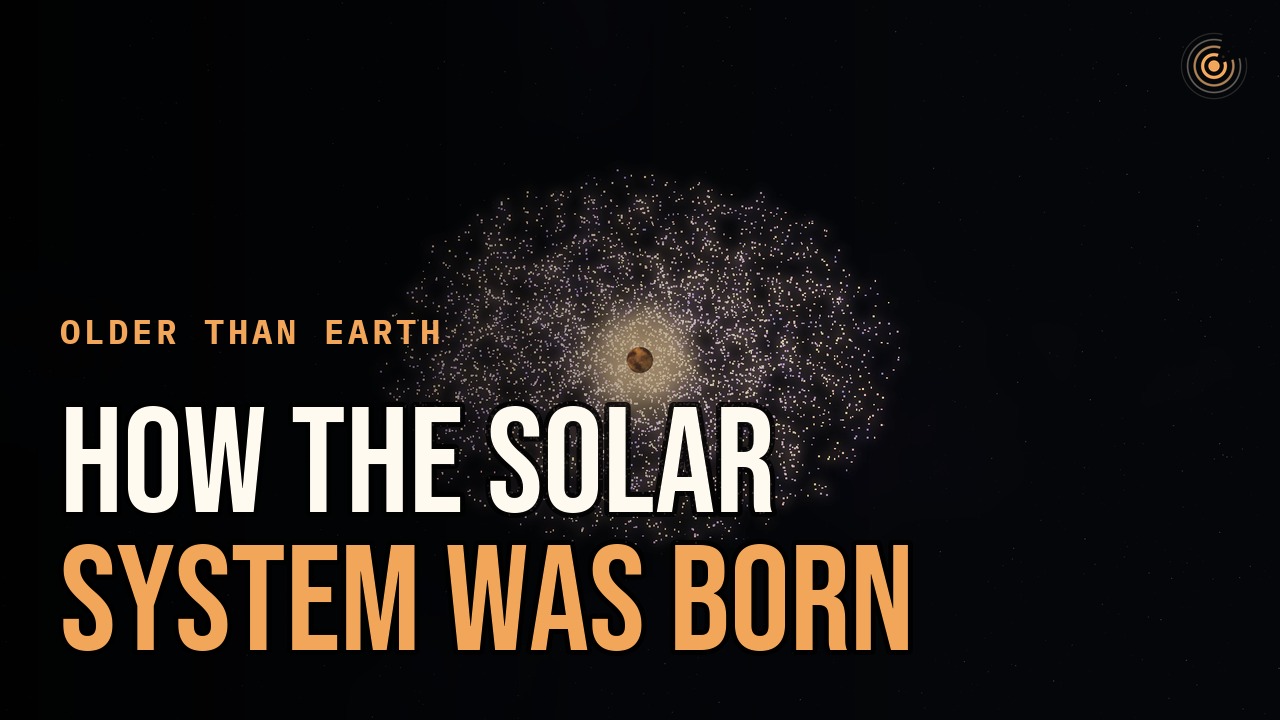 Premieres 19 NovHow the Solar System Was Born4,567 million years ago · Allende, Mexico, 1969
Coming up in future stories
- South Africa's Telescope Found Bubbles Around Our Black Hole 11 September 2019 · MeerKAT, Northern Cape, South Africa