Heliopause
The boundary where the Sun's outflowing wind of particles is stopped by the gas between the stars: the edge of the Sun's bubble.
The Sun blows a constant stream of charged particles, the solar wind, outwards in every direction at hundreds of kilometres a second. It inflates a huge bubble around the Solar System called the heliosphere. Far out, the wind slows and is finally stopped by the thin gas and magnetic fields between the stars. That boundary is the heliopause.
Think of a tap running into a flat sink: the water spreads out fast in a thin sheet, then suddenly piles up in a ring where it meets the slower water around it. The heliopause is like the outer edge of that ring.
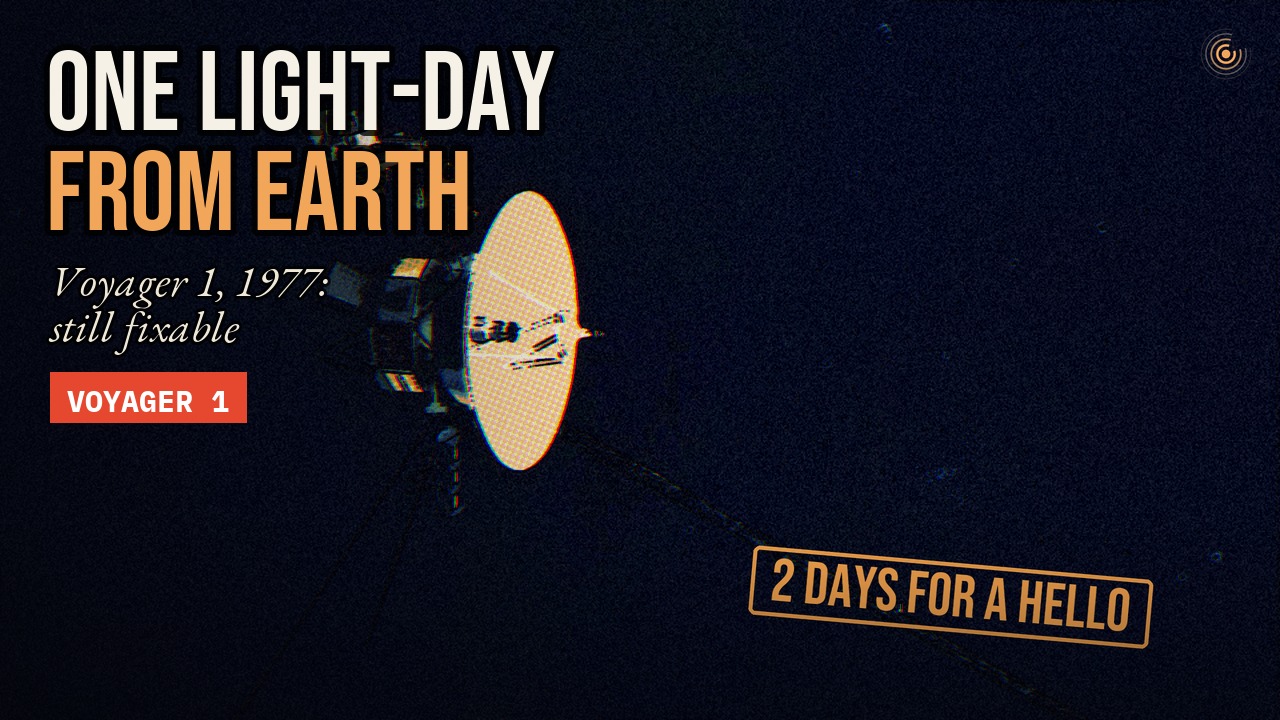
Voyager 1 crossed it in 2012, roughly 120 times as far from the Sun as the Earth is, and became the first spacecraft in interstellar space. Voyager 2 followed in 2018.
A common misconception is that crossing the heliopause means leaving the Solar System. It does not: the Sun's gravity still rules far beyond it, out to the distant Oort cloud of comets, which the Voyagers will not reach for hundreds of years.