Monsoon
A seasonal reversal of winds, driven by the temperature difference between land and sea, that brings a wet season and a dry season.
A monsoon is not just heavy rain: it is a seasonal shift in the winds. In spring and summer, land warms much faster than the sea. Warm air rises over the hot land, pressure falls, and moist air is drawn in from the ocean. As that air rises and cools, its water falls as rain. In winter the pattern reverses and the winds blow from land to sea, bringing the dry season.
The best-known example is the South Asian monsoon: in parts of India up to 90% of the year's rain falls in the summer monsoon. The East African summer monsoon brings the rains to Ethiopia's highlands, which is why the Nile used to flood every late summer.
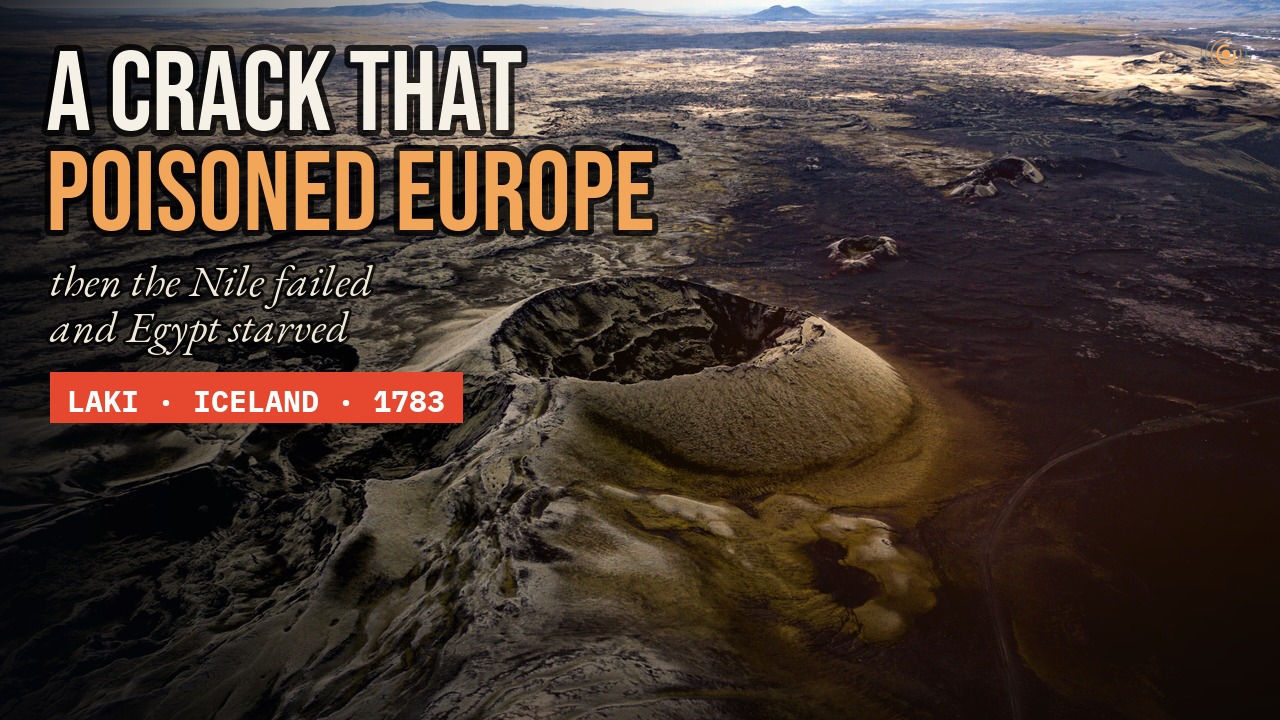
Because the engine is a temperature contrast, anything that cools the land in summer can weaken it. Large volcanic eruptions do exactly that, and Nile flood records show lower floods in eruption years.
A common misconception is that "monsoon" means a single storm. It is the season and its wind system; a monsoon can even bring weeks of dry "breaks".