Pneumonic plague
Plague of the lungs: the one form of plague that spreads directly from person to person, in droplets breathed out by the sick.
Plague is caused by the bacterium Yersinia pestis, which normally lives in wild rodents and their fleas. It takes three main forms. In bubonic plague, bacteria from a flea bite travel to the lymph nodes, which swell into painful buboes. In septicaemic plague they multiply in the blood. In pneumonic plague they infect the lungs, and a patient's cough can carry them in droplets to the next person, with no flea or rat needed.
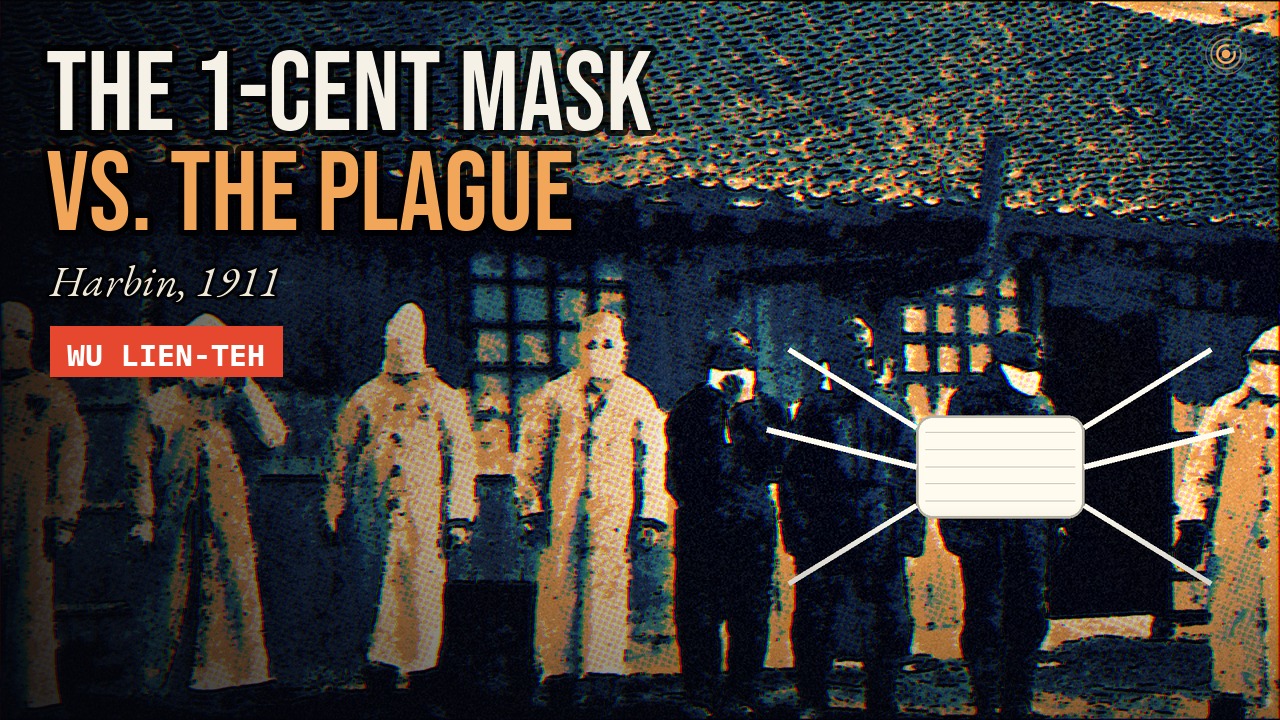
That is why pneumonic plague can spread so fast in crowded places, as it did in Manchuria in 1910-11, when it killed around 60,000 people. According to the World Health Organization, untreated pneumonic plague can kill within 18 to 24 hours of the first symptoms, but it can be cured with common antibiotics if they are given early. Isolating patients and protecting carers with masks still matter today.
A common misconception is that plague is extinct. It still circulates in animals in parts of Africa, Asia and the Americas, and human cases occur every year.